
Nutrition & Deficiencies
Foods with No High Fructose Corn Syrup: 7 Pantry Swaps

Jake Kaiser
jakesjourney.co

You're tracking macros, lifting consistently, and buying products that look cleaner at a glance. Then your routine labs still come back with metabolic markers moving the wrong way. Triglycerides drift up. Uric acid gets your attention. Liver enzymes become something you start googling at night. One place to look is the sweetener layer in everyday packaged food, especially the sauces, breads, spreads, and snacks that don't feel like “junk food.”
That's why foods with no high fructose corn syrup can be a useful filter. Not because removing one ingredient automatically makes a product healthy, but because it helps you spot categories where processed sweeteners still show up in surprising places. Researchers have noted that sweetened beverages were the largest source of HFCS calories in the U.S., with desserts, breads, and ready-to-eat cereals also contributing meaningfully to intake in the food supply, and they also noted how hard HFCS exposure has been to quantify because direct fructose measurements existed for only about 1,000 foods in the USDA database (historical review of HFCS in the food supply). If you want a broader reset, this guide to clean eating is a useful companion.
1. Heinz Simply Tomato Ketchup
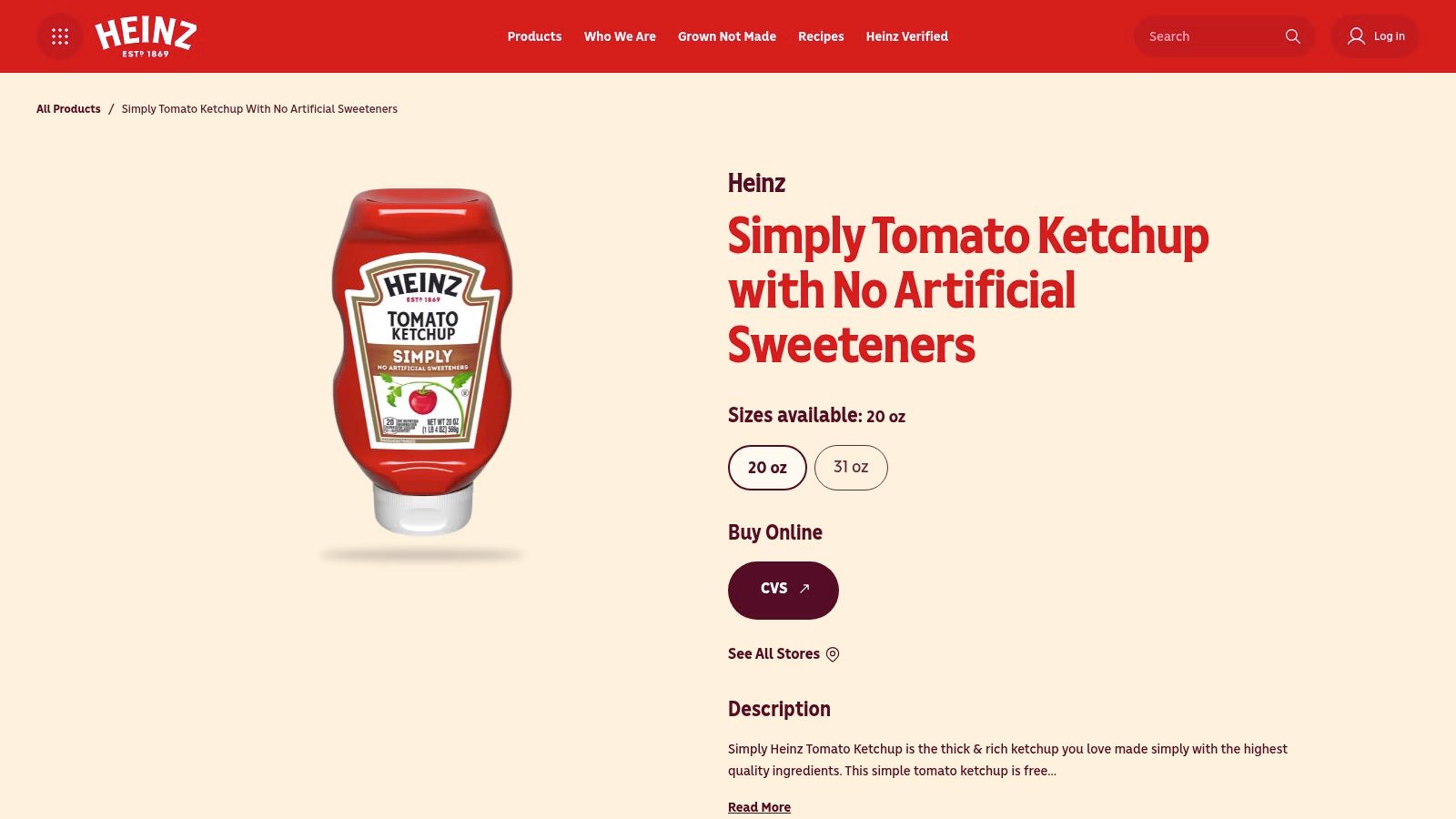
Heinz Simply Tomato Ketchup is one of the easiest pantry swaps because it keeps the familiar ketchup experience. You still get the thick texture and recognizable flavor profile, but the sweetener system changes. For people who don't want to reinvent everything they eat, that matters more than nutrition-theater brands with perfect labels and disappointing taste.
The importance of foods with no high fructose corn syrup becomes apparent in real life. Condiments are small, but they're repeated exposures. If fries, burgers, eggs, meatloaf, and roasted potatoes all get ketchup, the ingredient list starts to matter.
Why ketchup matters more than people think
The practical upside is compliance. If the swap tastes close enough, you'll stick with it.
Best use case: Households that want a familiar bottle without the usual HFCS concern.
What works: Pairing it with whole-food meals where the condiment isn't adding a second major sugar source.
What doesn't: Treating “no HFCS” as permission to use unlimited amounts.
Practical rule: Condiments are where stealth sugars survive diet cleanups. Fix the repeats first.
Heinz positions this version as a simpler ingredient alternative on its Heinz Simply Tomato Ketchup product page. That makes it a strong middle-ground option, especially if your goal is to reduce friction while tightening up processed-food inputs.
If you're trying to connect food decisions to lipid-related markers over time, pairing changes like this with a Heart Health test from Goodlabs is more useful than guessing. Goodlabs is a health platform that gives blood donors free clinical-grade lab panels (run at Quest or Labcorp), and offers the same panels at low cost to anyone who doesn't want to donate.
2. Dave's Killer Bread

Bread is where a lot of “I eat pretty healthy” routines break down. People avoid soda and dessert, then buy sandwich bread on autopilot. That matters because neutral nutrition guidance often points to bread as one of the everyday categories where HFCS can still appear, alongside sauces, cereals, flavored yogurt, and snack foods (practical overview of common HFCS food categories).
Dave's Killer Bread is useful because the brand makes the no-HFCS callout clear across its nutrition messaging. It also gives you range. Seeded loaves, whole-grain options, and softer white-style options all exist under one brand umbrella.
What works and what doesn't in the bread aisle
The best part of this swap is that it addresses a staple, not a treat. That usually gives you a greater advantage than obsessing over occasional indulgences.
What works is using breads like this as a base for protein-forward meals, especially if you're trying to build a breakfast or lunch that doesn't stack multiple added-sugar sources. What doesn't work is assuming organic or seeded automatically means low sugar overall. Some loaves still taste sweeter than purists want.
Bread is one of the most common places people miss because it feels neutral, not indulgent.
Dave's lays out its nutrition positioning on the Dave's Killer Bread nutrition page. The trade-off is cost. It's usually pricier than conventional supermarket bread, but for a staple you eat daily, that premium often buys clarity and consistency.
If bread is a frequent part of your routine and you want a tighter read on how your overall diet pattern is showing up, a Metabolic Health panel from Goodlabs can provide useful context.
3. Smucker's Natural Fruit Spreads
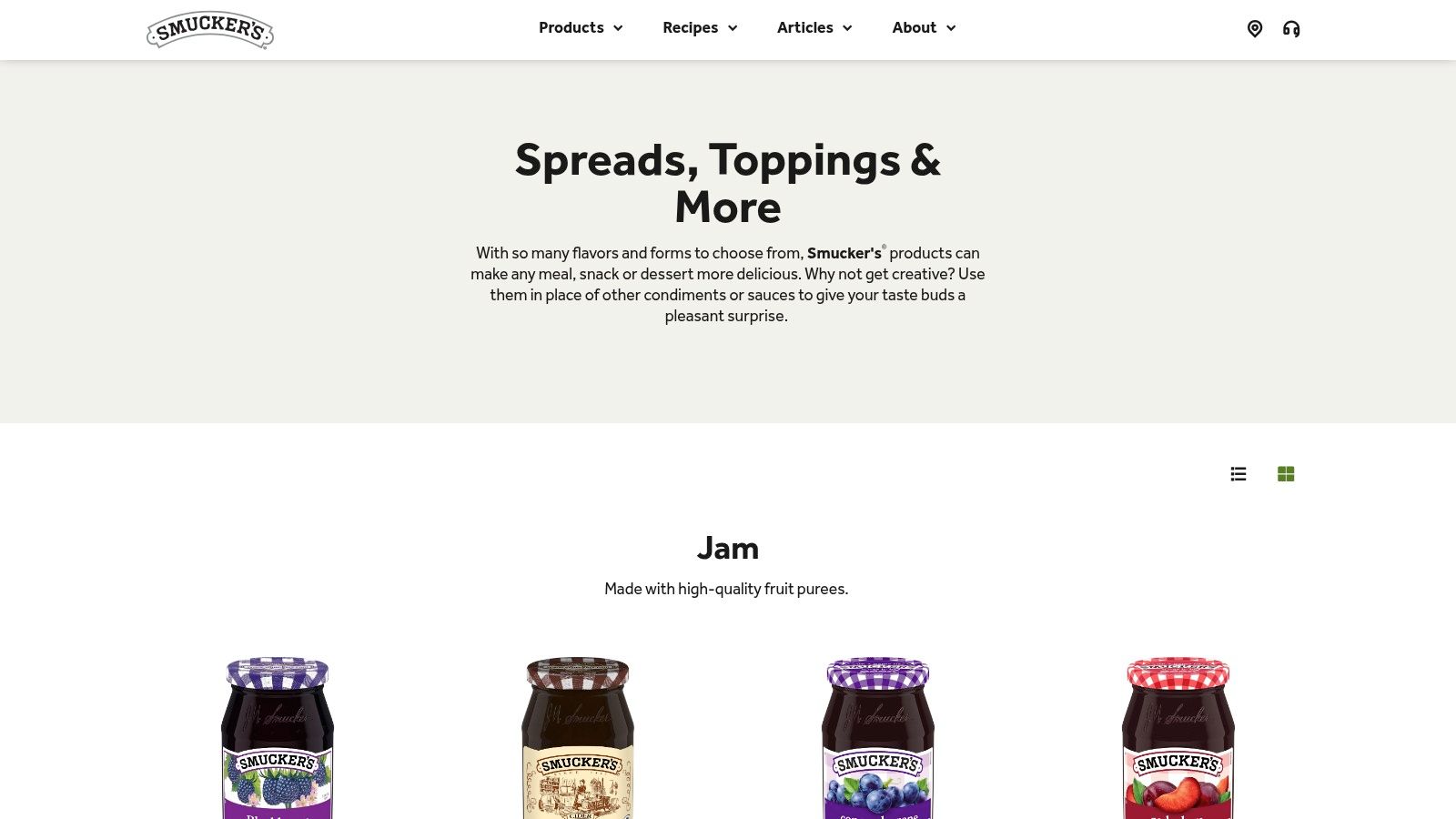
Jam is a classic label trap. It's easy to find foods with no high fructose corn syrup in this category, but that doesn't make them low sugar. Smucker's Natural Fruit Spreads are a good example of a product line that removes HFCS and simplifies the ingredient list without pretending to be something it's not.
That honesty is useful. For a PB&J household, this is a realistic upgrade. For someone trying to lower total added sugars, it's only a partial win.
The trade-off is simple
Smucker's Natural works well when you want to clean up a breakfast or lunch staple without abandoning convenience. The squeezable and jar formats also make it practical for families, which matters because food changes fail when they create too much friction.
Here's my perspective:
Good swap: You want a straightforward HFCS-free spread that's easy to find.
Not a miracle swap: You're trying to dramatically cut sweetness exposure and portion creep.
Best move: Use less, and pair it with higher-protein meals instead of stacking it onto sweet bread, sweet yogurt, or sweet snacks.
The brand's product catalog is the place to verify current SKUs in the Smucker's products lineup. The category lesson matters more than the brand lesson, though. UC Davis notes that Americans average about 15% of calories from added sugars, or roughly 360 calories per day, and that the bigger nutrition target is added sugars overall, not just HFCS (UC Davis added sugars guidance).
If you're making swaps like this because you want a cleaner read on glucose-related patterns over time, a Hemoglobin A1c test from Goodlabs is a practical marker to follow alongside your day-to-day habits.
4. Chobani Non-Fat Plain Greek Yogurt 32 oz
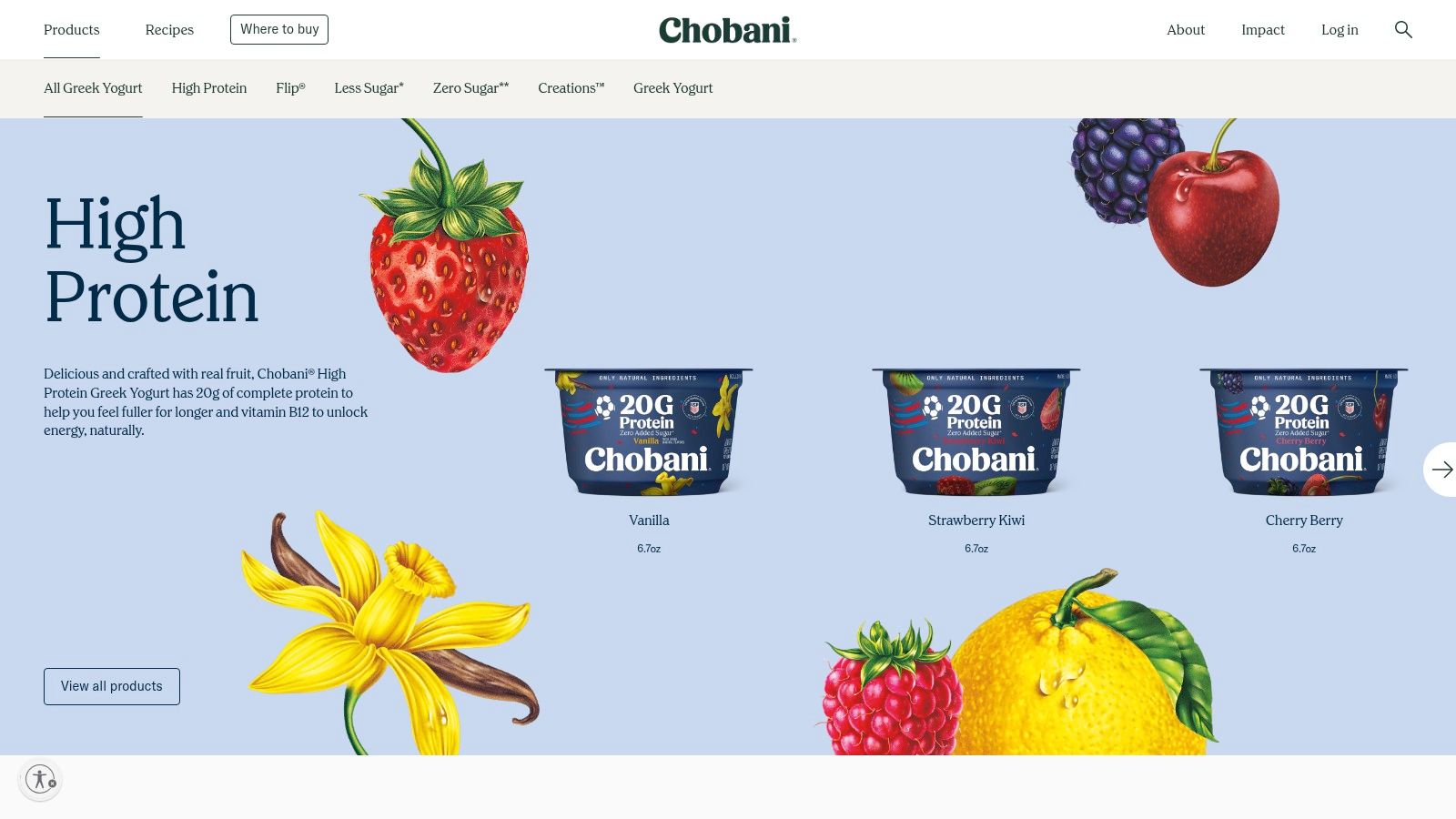
If I had to pick one upgrade with the highest payoff-to-effort ratio, it would be plain Greek yogurt. Chobani Non-Fat Plain Greek Yogurt in the 32 oz tub is simple, versatile, and much harder to overhype than flavored single-serve cups.
This swap works because it moves you out of the “healthy dessert” zone and back into actual meal building. The product line notes no modified cornstarch or high fructose corn syrup for the plain non-fat version, which is exactly what you want from a base food.
This is the easiest default upgrade
Use it as a breakfast base with fruit, cinnamon, and nuts. Use it in smoothies. Use it as a substitute for sour cream in savory meals. Once a plain yogurt tub is in the fridge, a surprising amount of random sugar exposure disappears.
Smart filter: Plain dairy is one of the lowest-drama ways to avoid HFCS because you're starting with a product that doesn't need much sweetening in the first place.
The downside is obvious. If you're used to sweetened yogurt, plain can feel flat for a week or two. That's a palate issue, not a product issue.
Chobani lays out its yogurt lineup on the Chobani yogurt collection page. This is also the kind of swap that fits broader dietary cleanup, whether you eat omnivorous, high-protein, or mostly plant-forward meals. If you're using diet changes to support overall nutrient awareness, the Plant-Based Nutrition testing options at Goodlabs can complement that bigger picture.
5. Annie's Organic Snacks
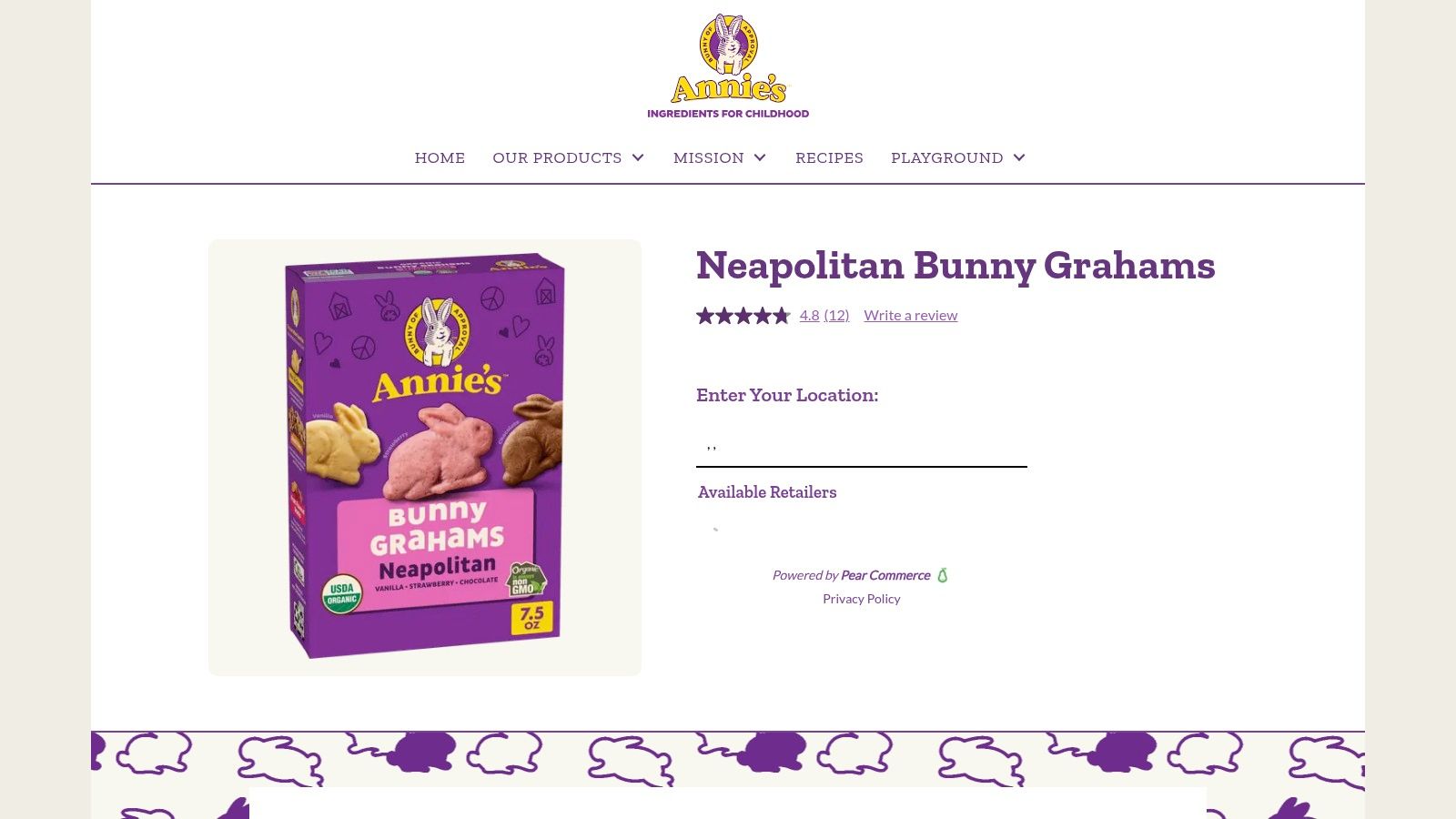
Kid-oriented snacks are one of the most emotionally loaded aisles in the store. Parents want convenience without feeling like every lunchbox is a chemistry experiment. Annie's Organic Snacks earns its place here because many SKUs clearly call out no high fructose corn syrup, and the brand format is easy for real family use.
That said, people often overcorrect. An HFCS-free graham-style snack is still a snack.
Good for convenience, not a free pass
Annie's is strongest when you use it as a better packaged option, not as a health halo. It's useful for school bags, travel days, or the backup snack drawer. It's weaker when it becomes an all-day grazing food.
A simple framework helps:
Use packaged snacks on purpose: Keep them for convenience windows, not background eating.
Read the full label: HFCS-free doesn't mean free of added sugars.
Compare formats: Crackers, grahams, and fruit snacks behave differently in satiety and portion control.
Medical News Today's FDA-positioned summary notes the bigger evidence-based target is limiting added sugars overall, and that HFCS is not inherently more harmful than other sugars in a unique way (Medical News Today review of HFCS and added sugars). That's the right lens here. Annie's may be a cleaner choice inside the packaged-snack category, but it's still the packaged-snack category.
You can browse current options on the Annie's product page for Bunny Grahams. If snack quality is part of a broader effort to tighten food quality and nutrient coverage, the Nutrient testing options at Goodlabs can add objective context.
6. Rao's Homemade Marinara Sauce
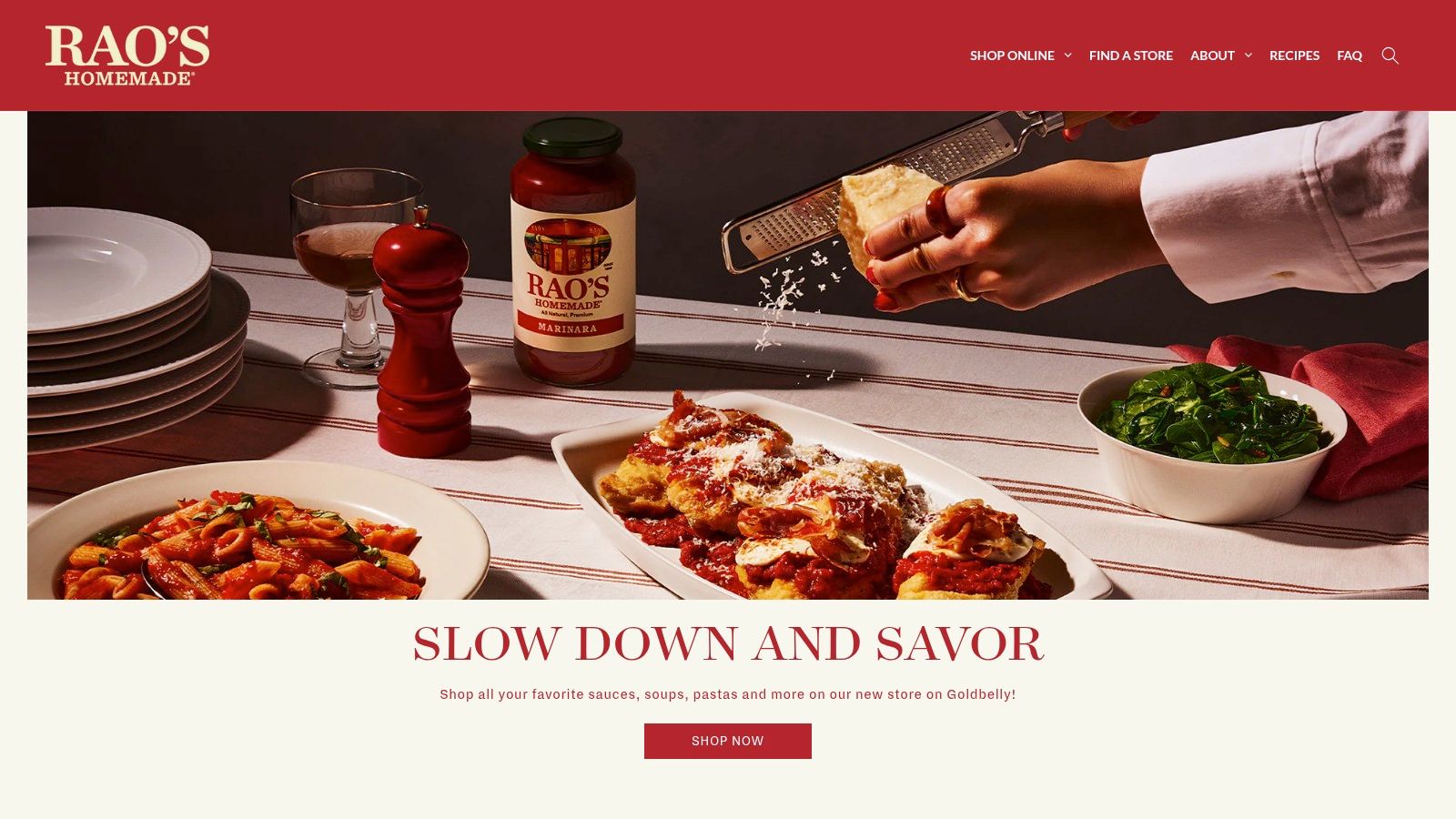
Jarred pasta sauce is one of the best places to make a serious pantry correction. A lot of people still assume tomato sauce is basically tomatoes. Sometimes it is. Sometimes it's a sugar-delivery system with a red label.
Rao's Homemade Marinara Sauce stands out because the ingredient profile stays simple and tomato-forward, and the brand is widely known for skipping added sugar in core marinara products. That alone makes it a smarter default than many mainstream sauces.
A high-upside sauce swap
This is a good example of what moves the needle in a food environment full of noisy labels. You're not just removing HFCS. You're often removing unnecessary sweetness from a savory staple.
What works well with Rao's is using it in repeat meals. Pasta night, eggs in purgatory, meatballs, stuffed peppers, zucchini dishes, and quick soups. Repetition is where pantry swaps become meaningful.
Savory products with added sweetness deserve extra suspicion. They can change your baseline palate without you noticing.
The downside is price. Rao's is premium, and if you cook for a large household, the cost difference is noticeable. Still, when a sauce can anchor multiple lower-friction meals during the week, it often earns its spot.
You can review the current product details on the Rao's Homemade Marinara Sauce page.
7. Hellmann's Real Mayonnaise
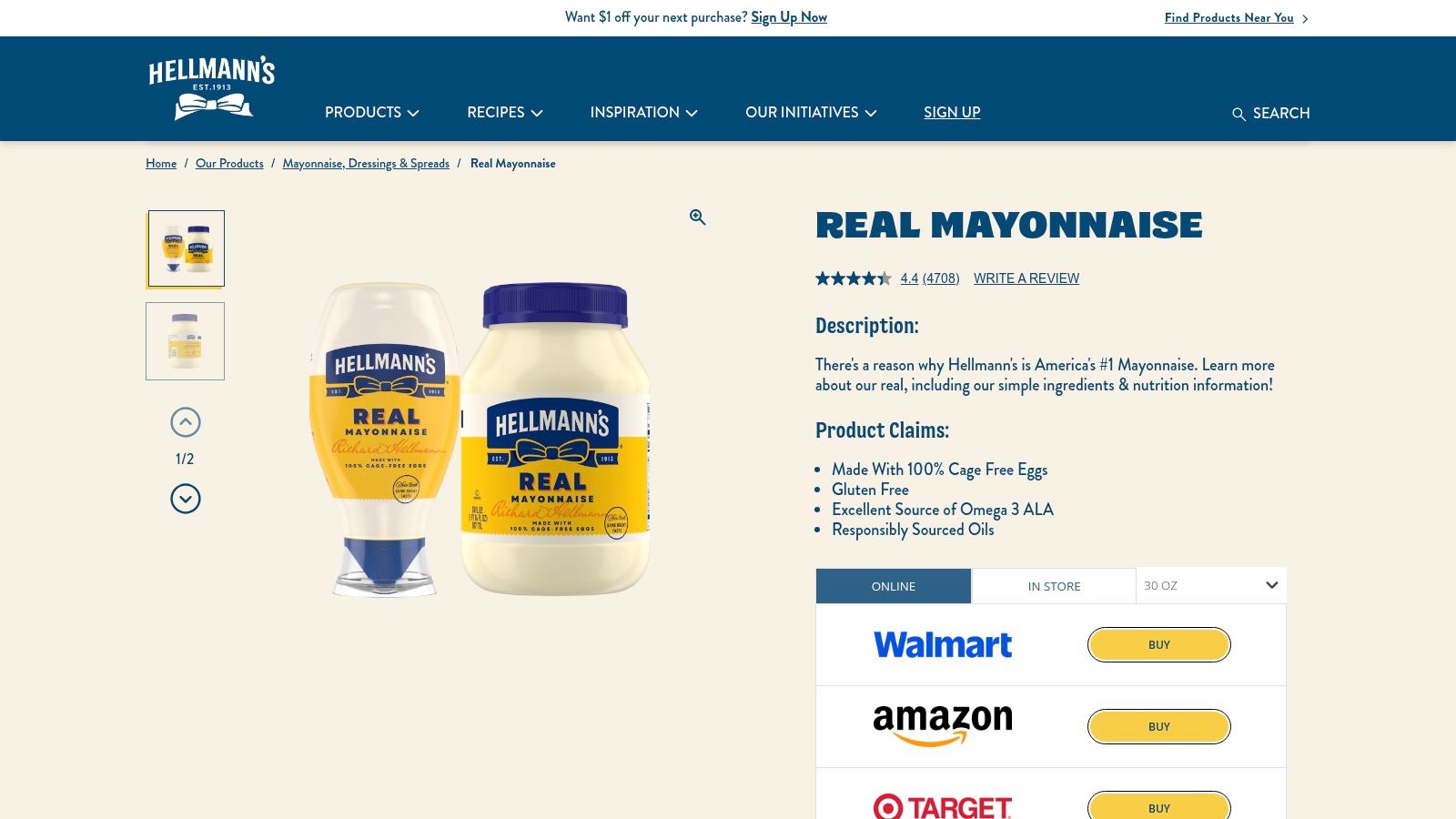
Sweeteners are not commonly sought in mayo, which is exactly why it belongs on this list. Hellmann's Real Mayonnaise is a practical option because it's easy to find, shelf-stable, and widely used in sandwiches, dressings, dips, and meal prep.
This isn't a “health food,” and it doesn't need to be. The value is that it lets you build flavor and texture without adding another sweetened condiment to the stack.
Use mayo strategically
Mayo works best when it displaces something sweeter. Think tuna salad instead of sweet deli salad. Think chicken salad instead of bottled sandwich spread. Think homemade dressing instead of a sweet retail dressing.
A few tactical uses stand out:
Sandwich anchor: Better when paired with mustard and whole-food fillings than with multiple sweet sauces.
Dressing base: Mix with vinegar, lemon, or herbs instead of buying a sugary creamy dressing.
Meal prep helper: Helps keep high-protein salads practical and satisfying.
The product details are on the Hellmann's Real Mayonnaise page. If you want even more control over ingredients, making a homemade olive oil mayonnaise is a solid next step.
One macro trend makes this category shift easier than it used to be. USDA data show corn sweetener availability has declined over the last two decades, while refined cane and beet sugar availability surpassed corn sweeteners in 2011 and reached 68.4 pounds per person in 2023 (USDA sweetener availability chart). That doesn't mean the food supply is suddenly low in sugar. It means “no HFCS” is often a reformulation story, not a low-sugar story.
7-Item No High Fructose Corn Syrup Comparison
Product | Complexity 🔄 | Resources ⚡ | Expected outcomes ⭐ 📊 | Ideal use cases 💡 | Key advantages |
|---|---|---|---|---|---|
Heinz Simply Tomato Ketchup | Ready‑to‑use; no prep | Widely available; mid‑price | Familiar HFCS‑free ketchup; slightly sweeter than some. ⭐⭐ | Burgers, fries, general condiment swap | Simple‑ingredient HFCS‑free substitute; broad retail distribution |
Dave's Killer Bread | Ready‑to‑eat; no prep | Premium price; very wide distribution | Higher fiber/protein, hearty texture; HFCS‑free. ⭐⭐⭐ | Sandwiches, toast, higher‑fiber diets | Organic, whole‑grain focus; nutrient density |
Smucker's Natural Fruit Spreads | Ready‑to‑use; no prep | Low–mid price; mass retail availability | HFCS‑free fruit spreads but still added cane sugar. ⭐⭐ | PB&J, toast, baking | Shorter ingredient lists; squeezable and jar formats |
Chobani Non‑Fat Plain Greek Yogurt (32 oz) | Ready‑to‑use; may need add‑ins for sweetness | Cost‑effective large tub; widely available | High‑protein versatile base; HFCS‑free. ⭐⭐⭐ | Smoothies, bowls, cooking, savory recipes | Protein‑rich, versatile, economical in bulk |
Annie's Organic Snacks | Ready‑to‑eat; grab‑and‑go | Premium vs mainstream; widely sold | Kid‑friendly HFCS‑free snacks but often contain added sugars. ⭐⭐ | Lunchboxes, snacks, school‑friendly packing | Clear HFCS‑free labeling; organic and Non‑GMO options |
Rao's Homemade Marinara Sauce | Ready‑to‑use; no prep | Premium price; national availability | Tomato‑forward, no added sugar; perceived high quality. ⭐⭐⭐ | Pasta, quick sauces, pizza bases | Short ingredient lists; “homemade” flavor profile |
Hellmann's Real Mayonnaise | Ready‑to‑use; no prep | Very wide availability; stable pricing | Classic mayo texture/taste; HFCS‑free but calorie‑dense. ⭐⭐ | Sandwiches, dressings, recipes | Familiar, versatile formats (squeeze, jars, foodservice) |
From Pantry Swaps to Biomarker Wins
Switching to foods with no high fructose corn syrup is more than a dietary preference. It's a practical way to clean up the sweetener layer in meals you eat every week. The biggest advantage isn't moral purity. It's that these swaps force you to look at where processed sweetness enters your diet, often through condiments, breads, spreads, sauces, and snacks that don't register as obvious problem foods.
That's also why this strategy needs the right expectation. “No HFCS” doesn't automatically mean low sugar, low calorie, or metabolically ideal. In many products, it means the manufacturer swapped one added sweetener for another. That can still be worthwhile if the new version fits your routine better, reduces ultra-processed inputs, or helps you build meals around simpler staples. But the label only tells part of the story.
The better move is to use these swaps as a system. Clean up the repeat foods first. Ketchup, bread, jam, yogurt, snacks, marinara, mayo. Then look at how often those foods show up in your week, what they replace, and whether your overall added-sugar pattern is moving in the right direction. That's how a pantry strategy becomes a metabolic strategy.
Goodlabs is a health platform that gives blood donors free clinical-grade lab panels (run at Quest or Labcorp), and offers the same panels at low cost to anyone who doesn't want to donate. If you want to know whether your diet changes are showing up in your real-world data, tracking markers through a metabolic or liver-focused panel gives you a clearer feedback loop than going by willpower or food labels alone. That's the key insight. Less guessing, more pattern recognition, and a better sense of which habits are worth keeping.
Blood test results are informational and not a medical diagnosis. Talk to your physician about what your results mean for you.
If you want to connect pantry upgrades to measurable health data, Goodlabs gives you a practical way to do it. You can get clinical-grade lab panels free with a qualifying blood donation or order them directly at low cost, then track the markers that may reflect how your nutrition strategy is playing out over time.
Jake Kaiser
jakesjourney.co