
General Wellness and Longevity
Data-Driven Employee Wellness Program Ideas for 2026

Jake Kaiser
jakesjourney.co
The most popular advice on employee wellness program ideas is still stuck in a perks mindset. Add a meditation app. Bring in healthier snacks. Run a step challenge. None of that is useless, but it often misses the problem. Employers don't struggle because they lack activities. They struggle because they can't connect those activities to participation, outcomes, or cost.
That gap matters. Wellness programs have been common for years, yet the U.S. Department of Labor found that while 69% of employers in its sample offered a wellness program, participation among eligible employees at large employers often sat in the 20% to 40% range in a given year, with better uptake when incentives were used (U.S. Department of Labor workplace wellness report). Availability isn't the same as activation.
Goodlabs is a health platform that gives blood donors free clinical-grade lab panels (run at Quest or LabCorp), and offers the same panels at low cost to anyone who doesn't want to donate. That model fits a better kind of wellness strategy. Instead of guessing what employees need, employers can use biomarker data to build programs around actual risks, actual engagement points, and actual follow-through.
The shift is simple. Stop treating wellness like office decor. Start treating it like an operating system for prevention, behavior change, and measurement. These ten ideas are built for that approach.
1. Biomarker Screening and Preventive Health Programs
A preventive program starts with one question: what are we trying to change? If the answer is "general wellbeing," the program usually drifts into low-value perks. If the answer is "help employees identify risks earlier and act on them," screening becomes much more useful.
Clinical-grade biomarker testing gives employees something concrete. Cholesterol markers, inflammation markers, nutrient status, thyroid markers, and advanced heart-health markers can provide insight into trends that don't show up in how someone feels day to day. Biomarkers are like dashboard lights. They don't tell the whole story, but they tell you where to look before the engine overheats.
Why this works better than generic screenings
A common mistake is treating a screening event like the finish line. It's only the entry point. The better model is baseline test, simple explanation, action pathway, then retest after a reasonable interval.
For employers, that means pairing testing with education and next steps. An employee who sees ApoB for the first time needs context. ApoB is a marker tied to the number of atherogenic lipoprotein particles, which can provide a sharper view of cardiovascular risk than a basic cholesterol panel alone. An employee who sees hs-CRP needs translation too. hs-CRP is a blood marker associated with systemic inflammation.
Practical rule: Don't offer screening unless you can also offer interpretation, behavior guidance, and a path for follow-up.
One useful starting point is a focused panel strategy rather than a giant menu. Heart health, metabolic health, inflammation, and hormone health usually produce clearer action plans than a broad "test everything" approach. For employers exploring longer-term prevention, Goodlabs' guide to blood tests for longevity is a practical reference point for choosing markers that employees can track over time.
2. Blood Donation Drives with Health Incentives
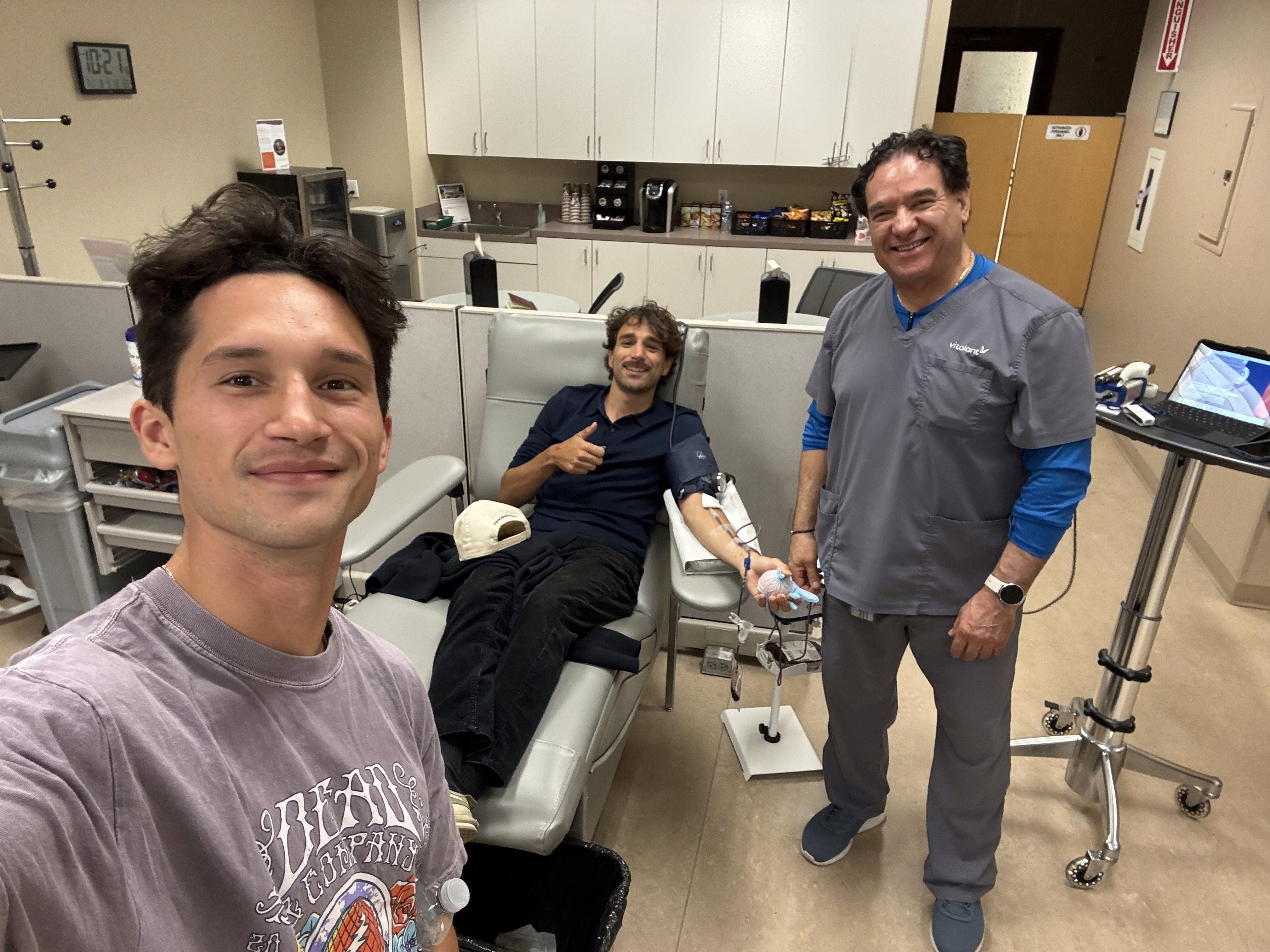
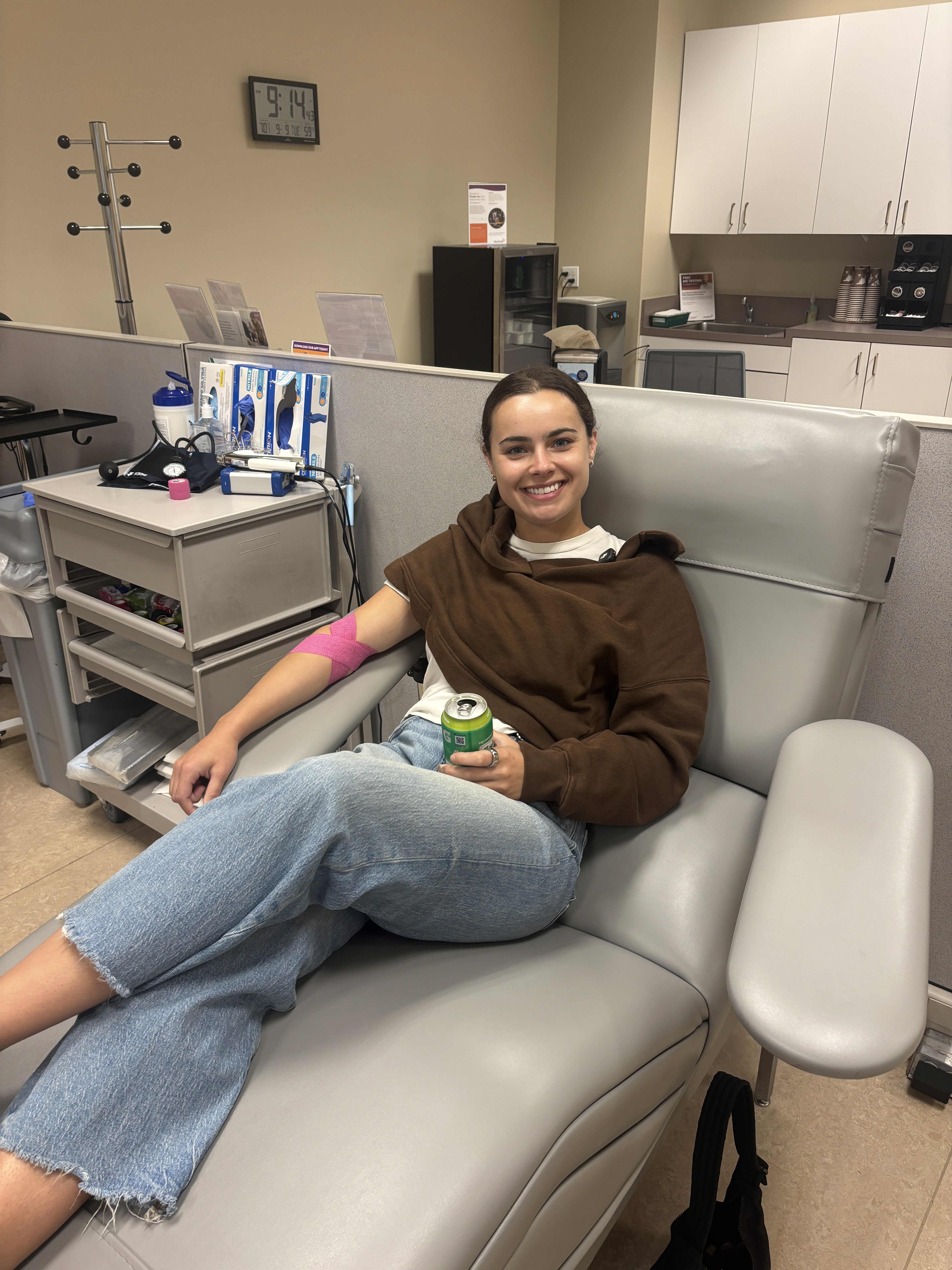
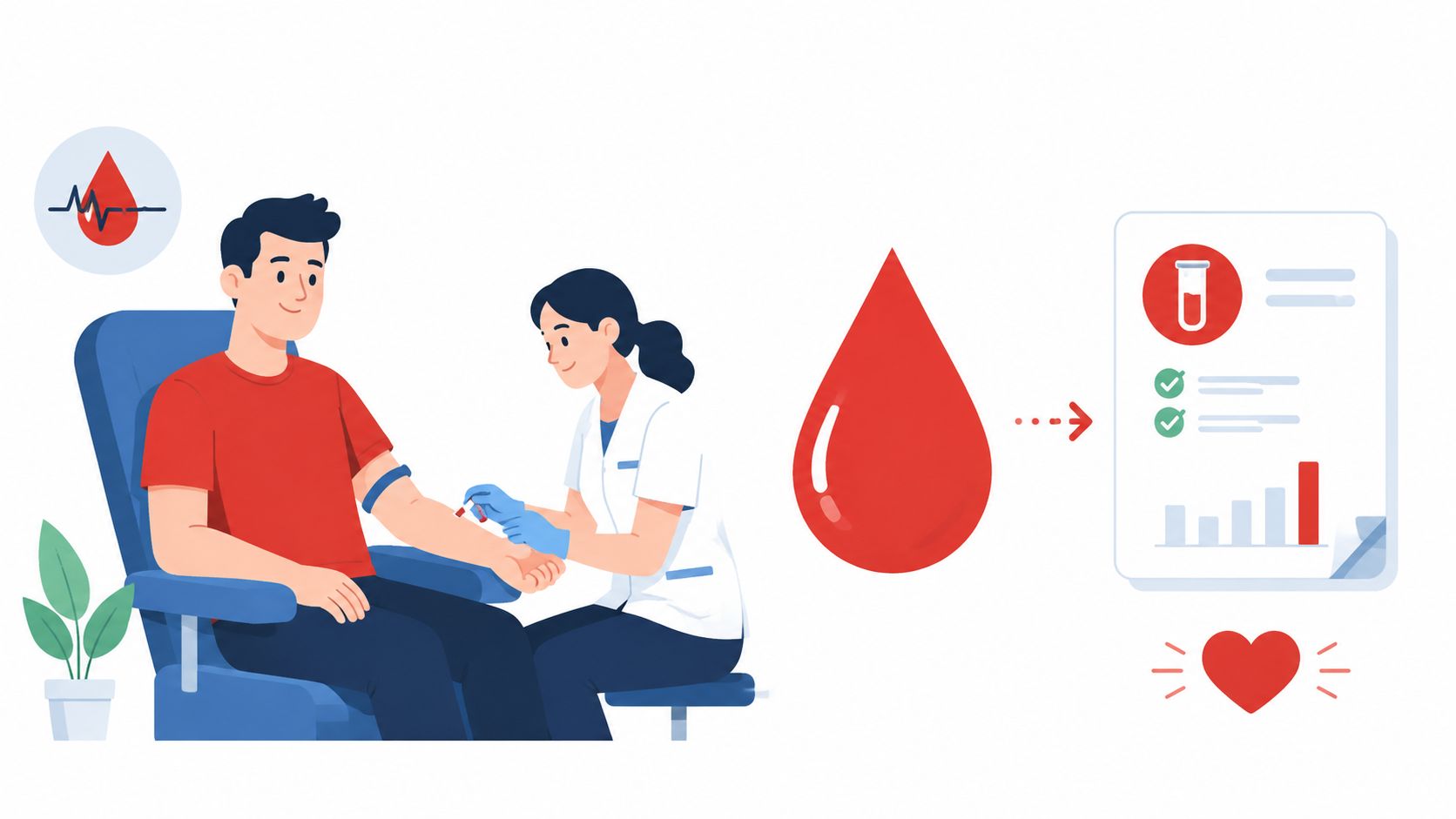
Blood drives are often filed under community service. That undersells them. In a workplace setting, they can function as one of the few wellness programs with a built-in reason to show up, a defined time window, and a clear employee benefit if you design the incentive well.
The practical advantage is adoption. Employees are more likely to participate in a specific event on a specific day than enroll in a vague wellness campaign they can always put off. Donation also creates a natural moment to offer relevant health education and, for eligible participants, access to biomarker testing that turns goodwill into something measurable.
How to make the incentive feel real
The incentive should answer a simple employee question. "What do I get besides a cookie and an email thank-you?" If the answer is generic wellness messaging, participation drops. If the answer is protected time, a convenient on-site event, and useful health information, interest rises.
There is a trade-off, though. Donation alone is not a biomarker program, and employers should not present it that way. The stronger model is pairing the event with an adjacent benefit such as optional screening, basic result interpretation, or follow-up education for employees who want a clearer view of iron status, metabolic markers, or cardiovascular risk over time. Biomarkers work like dashboard gauges. They give employees a reading they can track, and they give employers a way to evaluate whether the program is driving action instead of just attendance.
Programs with the best participation usually get a few operational details right:
Explain eligibility before sign-up: Employees need to know donation requirements, timing, and common deferral reasons.
Offer protected time: Participation rises when managers are told to treat donation as approved work time, not a personal errand.
Keep the employee benefit concrete: State the health incentive in plain language, such as access to a screening panel or a post-event results review.
Plan for people who cannot donate: Give non-eligible employees another way to participate, such as biomarker testing or a preventive health consult, so the event does not exclude part of the workforce.
I have seen mid-sized employers run this well by treating the blood drive as the front door, not the whole program. They partner with a local donation center, schedule teams in waves to avoid operational disruption, and offer an optional follow-up health touchpoint after the event. That structure respects the limits of donation while still creating a measurable wellness interaction.
If you are building the employee communications, Goodlabs' overview of the benefits of donating blood is a useful reference for explaining the personal side of participation without overstating the medical value.
3. Personalized Health Coaching Based on Biomarker Data
Coaching without data often turns into motivational wallpaper. Data without coaching turns into confusion. Put them together, and the conversation changes.
An employee doesn't need a lecture on "healthy living" after seeing high LDL, low vitamin D, or a thyroid marker outside the expected pattern. They need someone who can translate the result into a short list of actions that fit real life. That's the difference between a wellness program employees ignore and one they use.
What coaches should actually do
The strongest coaching programs don't try to act like diagnosis. They stay in the lane of education, habit change, and follow-through. A coach can help an employee connect sleep habits to recovery, diet quality to lipids, training load to inflammation, or stress patterns to cortisol trends. That's practical and measurable.
Coaching works best when the coach reacts to the employee's numbers, not to a generic script.
Employers also need to tier support. Not everyone needs one-on-one time. Some employees do well with a digital explanation and a short action checklist. Others want a registered dietitian, a health coach, or a physician discussion after reviewing results. The mistake is spending heavily on high-touch support for everyone instead of reserving it for the employees who will use it.
I usually recommend a three-layer design:
Self-guided layer: Plain-language explanations and simple recommendations.
Group layer: Webinars or small-group coaching around common patterns like cholesterol, energy, or stress.
Individual layer: More focused sessions for employees who want help applying their own results.
That structure keeps costs under control while still giving employees a real next step.
4. Cardiovascular Health Monitoring Program
If you only build one condition-focused wellness track, heart health is usually the best place to start. It applies to a wide slice of the workforce, the markers are measurable, and employees generally understand why it matters.
This doesn't mean handing out generic "eat better and walk more" flyers. It means giving employees visibility into markers that help them understand risk patterns. Standard lipids matter. So do advanced markers when appropriate.
Which markers matter most
ApoB and Lp(a) are especially useful to explain. ApoB, as noted earlier, reflects the number of potentially artery-penetrating particles. Lp(a), or lipoprotein(a), is a genetically influenced marker associated with cardiovascular risk that many standard workplace screenings ignore. hs-CRP can add context by showing whether inflammation may also be part of the picture.
For employers, the advantage is measurability over time. The NIH-cited wellness literature suggests medical costs can fall by about $3.27 for every $1 spent and absenteeism costs by about $2.73 for every $1 spent, with tangible results sometimes visible in 1 to 2 years and stronger savings in years 3 to 4 (NIH wellness ROI summary). A cardiovascular track fits that long-horizon model better than one-off contests do.
A practical program often includes:
Baseline testing: Give employees a starting point.
Simple education: Explain what each marker may mean in plain English.
Action pathways: Nutrition, exercise, sleep, weight management, and physician follow-up where appropriate.
For teams that want a structured option, Goodlabs offers a heart health test that can fit into a broader prevention strategy.
5. Hormone Health and Balance Screening Program
Hormone programs can be valuable. They can also become chaotic fast if HR treats them like a trend. Fatigue, poor sleep, mood changes, irregular cycles, low libido, and recovery issues all get casually blamed on "hormones," even when the underlying issue is stress, under-fueling, thyroid function, medication effects, or something else entirely.
That's why a hormone wellness program needs careful framing. It should focus on insight and follow-up, not sweeping promises.
Where most employers get this wrong
Most employers either avoid hormone health because it feels sensitive, or they overcorrect and package it like a lifestyle subscription. Neither approach works well. Employees want privacy, relevance, and plain language.
A smarter approach is to build separate communication paths for different concerns. Women's hormone education may center on cycle changes, fertility-related questions, thyroid patterns, or menopause transitions. Men's hormone education may focus more on energy, recovery, body composition, and sleep. The testing menu shouldn't be identical just for the sake of simplicity.
Hormone programs fail when they treat everyone like the same patient with the same life stage.
The support model matters too. Give employees guidance on timing, especially when test timing affects interpretation, and make sure the follow-up pathway includes a qualified clinician when results raise questions. Wellness content can support awareness. It shouldn't pretend to resolve medical complexity.
For employers looking at women's health specifically, a dedicated option like the women's hormone test can be easier to communicate than a vague "hormone optimization" benefit.
6. Nutrition and Metabolic Health Optimization
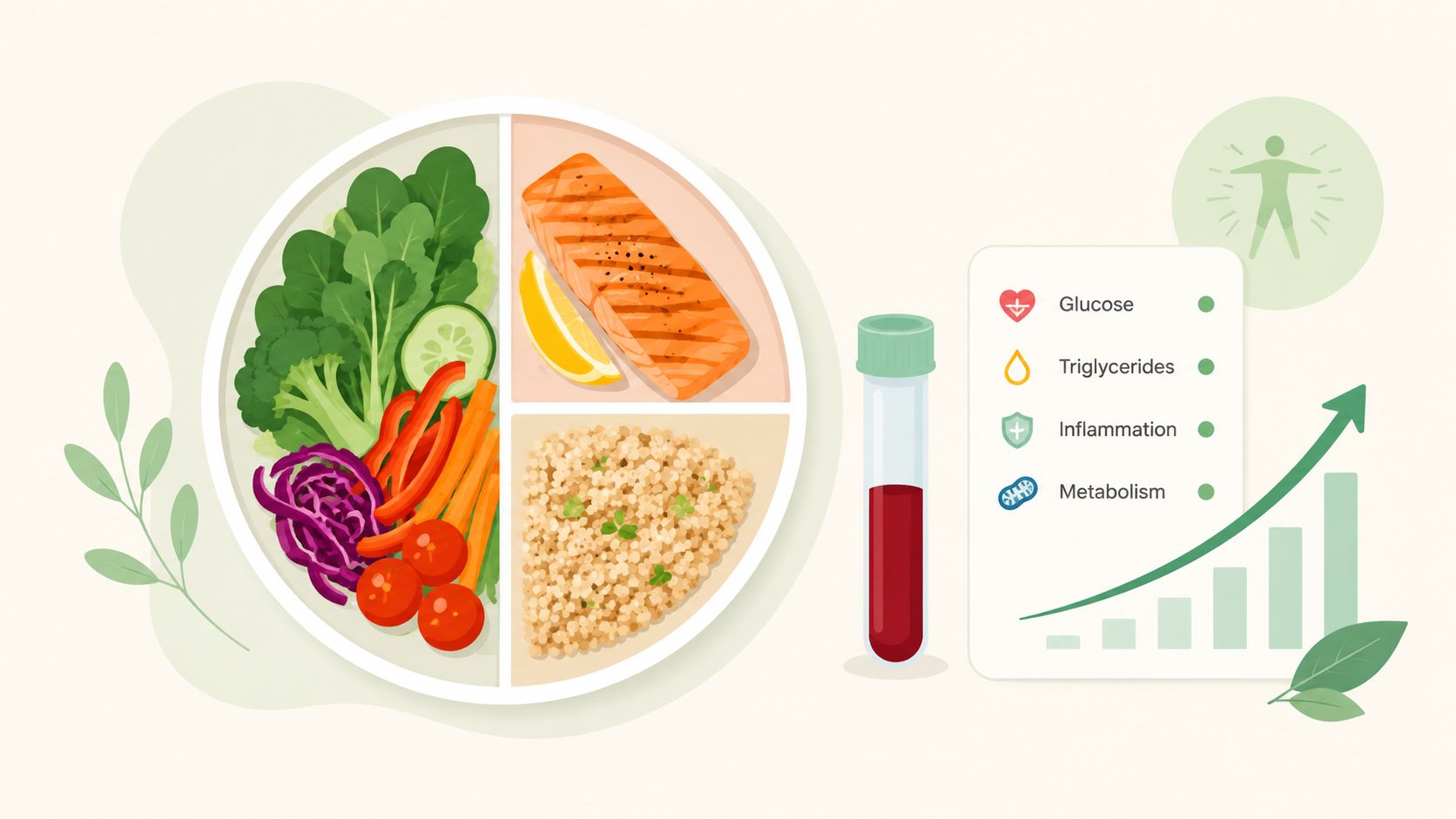
Nutrition advice usually falls apart at the point of specificity. Employees hear "eat more protein," "cut sugar," or "try Mediterranean-style eating," but they don't know what to change first. Metabolic testing helps narrow the conversation.
When someone can see lipid patterns, glucose-related markers, nutrient gaps, or liver-related markers, the nutrition conversation gets less ideological and more practical. That's a big deal in mixed workforces where one-size-fits-all messaging rarely lands.
Turn food advice into something usable
The best programs combine testing with a registered dietitian or at least structured education built around actual results. If an employee has a marker pattern suggesting poor metabolic health, the intervention might center on meal timing, fiber, protein distribution, or alcohol intake. If the issue is iron or B12 status, the conversation is different.
Many wellness articles list nutrition perks but don't go far enough on needs-based design. That's one reason so much wellness content stays generic rather than showing employers how to match interventions to employee risk profiles (analysis of gaps in employee wellness content).
A strong nutrition program usually includes:
Lab-informed starting points: Don't begin with recipes. Begin with what needs attention.
Food-environment support: Cafeteria, catering, travel meals, and snack policies should reinforce the message.
Repeat measurement: Employees stay engaged when they can connect habits to changing markers.
For a focused approach, a metabolic health test gives employees a cleaner entry point than a random pile of nutrition advice.
7. Inflammation Reduction and Autoimmune Health Program
Inflammation is one of the most overused words in wellness. It's often treated like a mystical root cause of everything. That's not useful. What is useful is treating inflammation markers like a signal that can guide better questions.
hs-CRP is a good example. It doesn't diagnose the cause of inflammation, but it may help identify whether something worth investigating is happening. Imagine seeing smoke. You still need to find the source, but you now know not to ignore the room.
Use inflammation like a dashboard light
This type of program works best for workforces dealing with chronic stress, poor sleep, sedentary patterns, high travel loads, or physically demanding roles. It can also fit employees who already know they struggle with fatigue, aches, or recovery. The intervention shouldn't jump straight to supplements. It should start with the major levers: sleep, food quality, activity, stress load, and clinical follow-up where needed.
A practical workplace version might include hs-CRP testing, anti-inflammatory nutrition education, recovery-focused movement, and stress-management resources. If employees want more advanced follow-up, they need a path outside the employer wellness layer.
One reason this matters now is equity. A lot of older wellness models assumed an office-centered workforce. Better programs support people wherever they work, with portable benefits such as virtual coaching, asynchronous mental health support, ergonomic support, and accessible preventive resources (distributed workforce wellness gap analysis).
That portability matters for inflammation-focused programs because sleep disruption, physical strain, and stress don't only affect desk workers.
8. Wearable Integration and Continuous Health Tracking
Wearables are often oversold in employee wellness. They do not diagnose much on their own, and they can flood people with low-value notifications. Their real value is simpler. They fill the gap between biomarker tests and show whether daily behavior is trending in a healthier direction.
That makes them useful in a data-driven program.
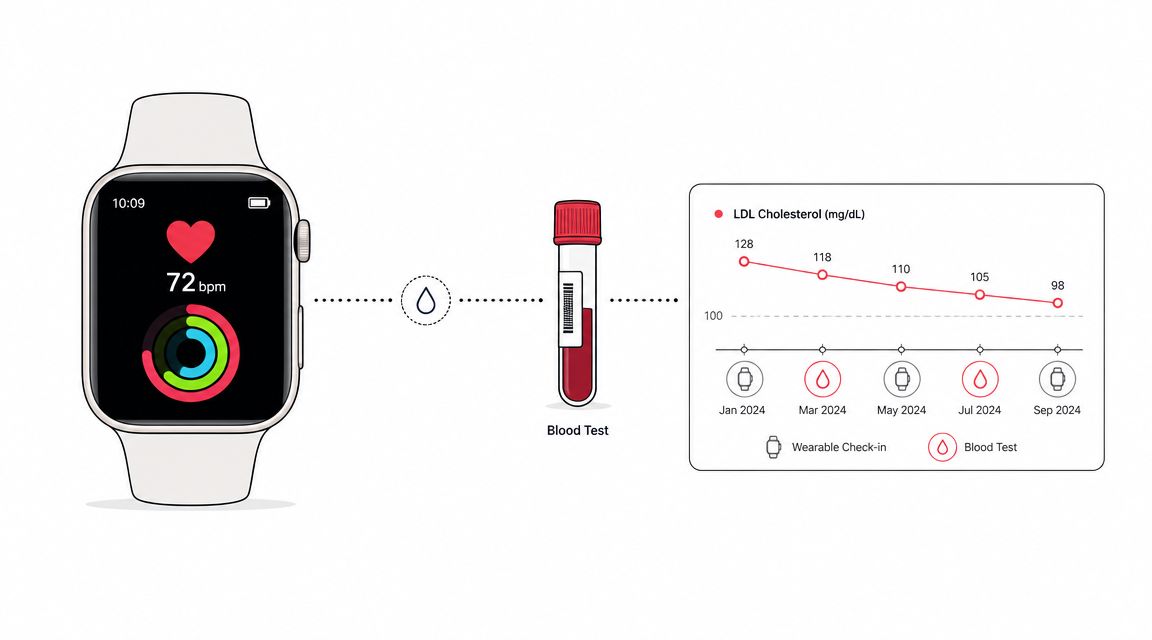
A blood panel is a snapshot. A wearable adds trend lines. Used together, they help employees connect cause and effect with more confidence. If ApoB, glucose, or hs-CRP improves after eight weeks, sleep consistency, activity volume, and resting heart rate trends can help explain why. If biomarkers stall, the wearable data can also show whether the issue is adherence, recovery, or a program design problem.
What to integrate and what to ignore
The strongest employer programs keep the metric set narrow. Start with sleep duration, resting heart rate, step or activity consistency, and a small number of recovery signals if the device measures them reasonably well. Skip the novelty scores that look scientific but are hard to act on. More dashboards rarely improve outcomes. They usually raise confusion, support burden, and privacy concerns.
Adoption also lives or dies on setup. Many employers already offer wellness benefits, but participation tends to drop as soon as employees hit extra steps, extra logins, or unclear value. Analysts at RAND examined workplace wellness programs and found that engagement varies sharply by component and incentive design, which is a useful reminder that adding a device does not guarantee sustained use (RAND workplace wellness program research).
The trade-off is straightforward. More data sounds attractive, but a tighter program is easier to explain, easier to govern, and more likely to produce measurable ROI. For most companies, the practical model is voluntary opt-in, one or two approved devices, a private employee-facing dashboard, and periodic reviews that pair wearable trends with biomarker retesting. That structure gives employees useful feedback without turning the program into surveillance.
A useful explainer on the broader trend is below.
9. Mental Health and Stress Biomarker Screening
Mental health benefits often sit in one bucket and physical health testing in another. Employees don't experience life that way. Chronic stress can affect sleep, appetite, recovery, energy, and motivation. Biomarkers can sometimes provide supporting context for that picture.
This area needs careful language. A stress-related biomarker panel can provide insight into patterns associated with strain or fatigue, but it doesn't diagnose anxiety, depression, or burnout. Employers should be precise and conservative here.
Keep the framing careful and useful
The strongest model is to pair stress-related testing with robust support. Cortisol may be relevant in some contexts. Thyroid markers, inflammatory markers, and nutrient markers can also help employees explore whether physiology may be contributing to how they feel. But the testing should always sit alongside counseling access, EAP options, manager education, and a clear privacy boundary.
Employees will engage with mental-health-adjacent testing only if they trust that their results stay private and won't be used against them.
Framing matters too. "Resilience" and "stress support" tend to land better than language that feels diagnostic. So does low-friction access. If an employee has to go through six portals, request manager approval, and wait for a live session, they won't do it. The operational lesson from wellness more broadly is that activation beats catalog size.
This is one of the clearest examples of why employers should think in systems. Testing alone won't help. Therapy alone won't help some employees who also need basic physiological context. The win comes from connecting the pieces.
10. Athletic Performance and Recovery Biomarker Monitoring
Most companies don't need an athletic performance program for everyone. But if you have a workforce with a strong fitness culture, physically demanding roles, or a lot of employees who train seriously outside work, this can be one of the highest-engagement ideas in the mix.
It works because the motivation is already there. You're not trying to convince employees to care about energy, recovery, body composition, or performance. They already care. You're giving them better tools.
Best fit for active cultures
This program is especially useful in companies with active employee communities, fitness stipends, outdoor cultures, or team-based sports participation. The testing can help employees spot issues tied to recovery, nutrient status, training load, inflammation, or hormone balance. Again, it shouldn't drift into diagnosis. It should provide insight employees can use with coaches or physicians.
A good rollout often includes retesting aligned with training phases, short education sessions on overreaching versus recovery, and optional consults with sports-focused professionals. You don't need an elite-performance setup. You need relevance.
There's also a business argument for targeting motivated subgroups first. Studies of employer wellness have long supported ROI when programs are well designed. One commonly cited range is about $1.50 to $3 returned for every $1 spent over a two- to nine-year period, and employer surveys referenced in the same line of research found more than 60% of employers said wellness programs reduced healthcare costs, with later summaries reporting 72% observed lower healthcare costs after implementation (workplace wellness ROI summary).
An athletic recovery track won't fit every workforce. In the right culture, though, it's often one of the easiest programs to launch because employees already want the feedback loop.
10-Program Employee Wellness Comparison
A side-by-side comparison matters because wellness programs fail for different reasons. Some are cheap but too generic to change behavior. Others produce useful data but require tighter privacy controls, more clinical follow-up, and a bigger operating budget. The best choice is usually the one that matches your workforce risks, your benefits infrastructure, and your tolerance for implementation complexity.
This table is built for that decision. It compares each program on setup effort, resource load, likely outcomes, best-fit use cases, and the practical advantage that makes it worth funding.
Program | Implementation Complexity 🔄 | Resource Requirements ⚡ | Expected Outcomes ⭐📊 | Ideal Use Cases 💡 | Key Advantages ⭐ |
|---|---|---|---|---|---|
Biomarker Screening and Preventive Health Programs | 🔄 Moderate, lab partnerships, onboarding workflows | ⚡ Low–Moderate, CLIA/CAP labs, data platform, education | ⭐📊 Early detection, longitudinal risk tracking, preventive cost savings | Preventive-health focused orgs, insurers, population health initiatives | Scalable, affordable, clinically validated insights |
Blood Donation Drives with Health Incentives | 🔄 Moderate, event logistics and partner coordination | ⚡ Low, one-off events with partner blood centers | ⭐📊 Increased engagement + community impact; donor health feedback | CSR-driven companies, community-focused workplaces | Free testing for donors, strong engagement, positive employer brand |
Personalized Health Coaching Based on Biomarker Data | 🔄 High, coach training and secure data workflows | ⚡ High, certified coaches, repeated testing, secure integration | ⭐📊 High individual outcomes; measurable biomarker improvements | Organizations seeking targeted behavior change and ROI | Highly personalized, stronger follow-through, better odds of sustained change |
Cardiovascular Health Monitoring Program | 🔄 Moderate–High, clinical integrations and follow-up pathways | ⚡ Moderate–High, advanced cardiac panels, specialist access | ⭐📊 Reduced cardiac risk, fewer events, clear cost ROI | Aging workforces, high-stress industries, high cardiac-risk populations | Focuses on a major cost driver with actionable markers |
Hormone Health and Balance Screening Program | 🔄 Moderate, timing-sensitive tests and specialist interpretation | ⚡ Moderate, endocrine assays, referral networks | ⭐📊 Improved energy/mood, better symptom management and productivity | Workforces with many mid‑age employees, women's health focus | Surfaces underrecognized hormone issues and supports targeted follow-up |
Nutrition and Metabolic Health Optimization | 🔄 Moderate, RD workflows + testing integration | ⚡ Moderate, micronutrient panels, dietitians, app integration | ⭐📊 Fewer deficiencies, improved metabolic markers, better productivity | Companies aiming for productivity gains and prevention | Personalized nutrition plans tied to lab results, not guesswork |
Inflammation Reduction and Autoimmune Health Program | 🔄 Moderate, multi-pronged lifestyle programs + testing | ⚡ Moderate, hs‑CRP/cytokine panels, practitioner coordination | ⭐📊 Reduced inflammation, less pain/fatigue, lower chronic risk | Post‑COVID recovery, high chronic-disease populations | Identifies likely drivers of symptoms and can produce meaningful health gains per dollar spent |
Wearable Integration and Continuous Health Tracking | 🔄 High, data aggregation, analytics, privacy frameworks | ⚡ High, wearables, infrastructure, analytics team | ⭐📊 Longitudinal trend visibility, predictive signals, real-time alerts | Tech-forward firms, quantified‑self employees, remote monitoring | Combines activity, sleep, recovery, and lab data for earlier intervention |
Mental Health and Stress Biomarker Screening | 🔄 Moderate, confidentiality + clinical partnership needs | ⚡ Moderate, cortisol/thyroid/nutrient panels + EAP linkage | ⭐📊 Identifies biological contributors to stress; enables early intervention | High-stress roles, companies expanding EAP or resilience programs | Connects biological factors with mental health support and can reduce stigma around care |
Athletic Performance and Recovery Biomarker Monitoring | 🔄 Moderate–High, sports science integration and frequent testing | ⚡ High, frequent panels, sports med experts, specialized assays | ⭐📊 Improved performance, optimized recovery, fewer injuries | Athletic employers, performance-focused teams, biohacker cultures | Clear performance upside and better protection against overtraining and injury |
No program wins on every dimension.
Biomarker screening is often the best starting point because it gives employers a measurable baseline without the operational lift of coaching, wearables, or specialist-heavy models. Wearables can add useful context, but they also create more privacy, data governance, and engagement challenges. Coaching can improve outcomes, but only if employees trust the process and use it. That trade-off is common in benefits strategy. More personalization usually means more cost and more coordination.
For decision-makers, the practical filter is simple. Start with the program that can generate a clear baseline, a private employee action path, and a measurable follow-up cycle. In health terms, biomarkers work like dashboard warning lights. They do not explain everything on their own, but they tell you where to look before a preventable issue turns expensive.
The Result: A Resilient Workforce and a Stronger Bottom Line
Wellness programs usually underperform for a predictable reason. Employers build them like perk catalogs, then judge success by activity instead of health change. A yoga class, a webinar, and a step challenge can all be well-intentioned. None gives leadership a clear read on risk, follow-through, or financial impact.
A better model starts with measurement. Identify the health risks that drive absence, claims, fatigue, or low productivity in your population. Use screening and repeat testing to establish a baseline. Then connect employees to a private next step, whether that is coaching, primary care follow-up, nutrition support, or a targeted program tied to a specific marker trend.
That design works because relevance beats novelty. Employees ignore generic wellness when it feels like another HR campaign. Response improves when the program answers a personal question: Why am I tired, why is recovery slow, why is blood pressure drifting, why does stress keep spilling into sleep?
Biomarkers help because they turn abstract goals into operating metrics. They work like dashboard warning lights. A single result rarely explains the whole engine, but it shows where to look before a preventable issue becomes expensive. Heart health becomes something more concrete than a poster in the break room. Stress support becomes more than a generic resilience module. Nutrition support becomes a response to metabolic patterns, not a recycled handout.
The measurement strategy matters as much as the benefit itself. Track completion rates, repeat testing, coaching uptake, referrals to care, absence patterns, and participation by risk group. That is how employers separate a program that feels popular from one that changes behavior and lowers downstream cost over time.
I have seen the same trade-off across benefit design. The more personalized the program, the more coordination it requires. That extra effort is often worth it if the data is actionable and employees trust the privacy model. If they do not, participation drops and the reporting stops meaning much.
For employers that want to put that model into practice, Goodlabs is one relevant option. Goodlabs works with CLIA-certified partner labs and nonprofit blood centers, giving blood donors access to free clinical-grade lab panels and offering the same panels at low cost for non-donors. That structure makes testing easier to run regularly, which is what turns wellness from an event into a measurable system.
The payoff is not just healthier employees. It is a workforce that can identify risks earlier, recover more effectively, and use prevention before a manageable issue turns into a claim, a leave, or a performance problem. That is the standard worth aiming for. More signal, less guesswork.
Blood test results are informational and not a medical diagnosis. Talk to your physician about what your results mean for you.
Jake Kaiser
jakesjourney.co